
Understanding the psychology behind casino players' decisions
The allure of risk-taking
One of the primary attractions of casinos lies in the thrill associated with risk-taking. For many players, the excitement of wagering money on uncertain outcomes can trigger adrenaline release, creating a euphoric experience. This psychological high often compels individuals to engage in gambling, as they seek not just financial gain but also the emotional rush that accompanies the risk. Many are drawn to new casinos new zealand for this very thrill, hoping to capitalize on both chance and skill.
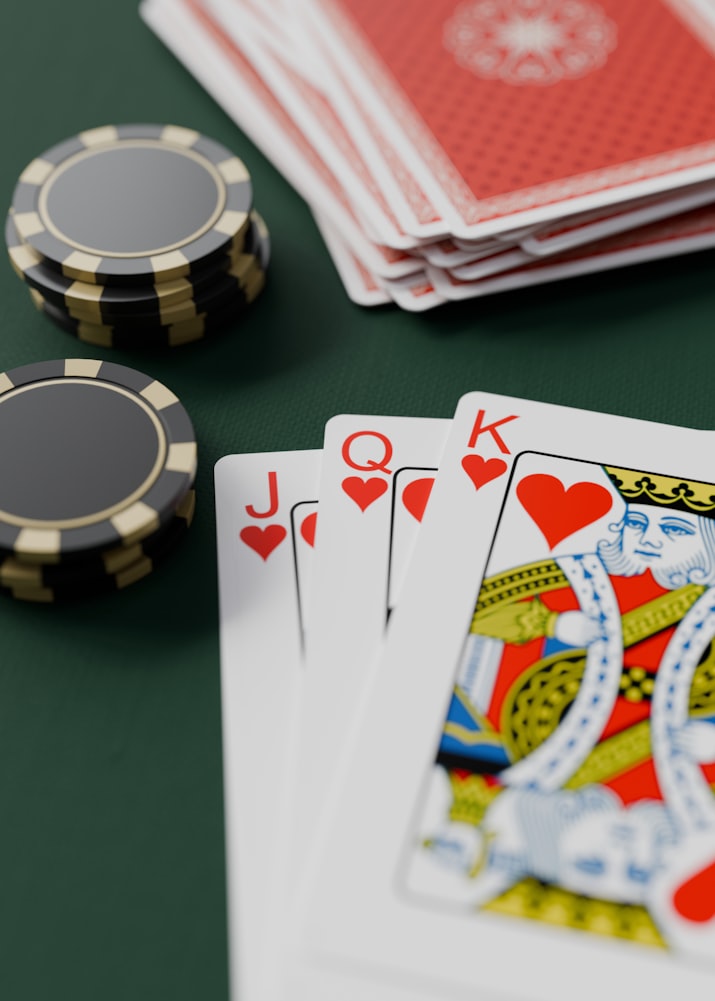
The excitement can also stem from the perceived control players believe they have over outcomes, particularly in games that involve a degree of skill, such as poker. This illusion of control can further enhance the gambling experience, leading players to take greater risks in hopes of securing larger rewards. Understanding this psychological draw is essential for both players and those involved in the gambling industry.
The influence of cognitive biases
Cognitive biases significantly shape how players make decisions in casinos. One prevalent bias is the “gambler’s fallacy,” where individuals mistakenly believe that past outcomes can influence future results in games of chance. For example, after a series of losses, a player might feel that they are “due” for a win, prompting them to continue gambling despite the statistical realities. Such beliefs can lead to poor decision-making and increased financial risk.
Another bias is the “illusion of control,” where players overestimate their ability to affect outcomes in games of chance. This can lead to excessive betting and chasing losses, as individuals rationalize their decisions based on an inflated sense of skill. Recognizing these biases can help players make more informed choices, ultimately enhancing their gambling experience.
The role of social factors
Social dynamics play a crucial role in influencing casino behavior. Many individuals are drawn to casinos for the social environment, where they can interact with friends or meet new people. The collective excitement of a crowd, particularly in games like roulette or blackjack, can create a heightened sense of enjoyment and camaraderie. This social aspect often enhances the appeal of gambling and can encourage riskier behaviors.
Additionally, peer influence can drive players to adopt certain betting strategies or gambling patterns. Individuals may feel pressure to conform to the behaviors of those around them, leading to decisions they might not have made in isolation. Understanding these social influences is vital for both players and the industry, as they can significantly impact gambling choices and experiences.
The impact of emotional states
Emotional states heavily influence gambling decisions. Players often engage in gambling as a form of escapism, using it to cope with stress, anxiety, or even boredom. This emotional reliance can lead to impulsive decisions, as individuals may be less likely to stick to budgets or think rationally about their bets when under emotional strain.
Conversely, positive emotions can also affect gambling behavior. A player experiencing a winning streak may feel invincible, leading them to gamble larger amounts than they usually would. Such emotional highs can cloud judgment, making it difficult to recognize when to stop. Understanding the interplay between emotions and gambling choices is essential for fostering responsible gambling practices.

Exploring our website for responsible gambling
Our website aims to provide resources and insights into understanding the psychology behind gambling. By educating players on the various factors influencing their decisions, we strive to promote a responsible gambling environment. We emphasize the importance of self-awareness and encourage players to reflect on their motivations and emotional states when engaging in gambling activities.
Additionally, our platform offers tools to assist players in managing their gambling budgets effectively. By fostering a deeper understanding of the psychological aspects of gambling, we hope to empower players to make informed choices, enhancing their overall experience while promoting safe practices in the gaming community.

